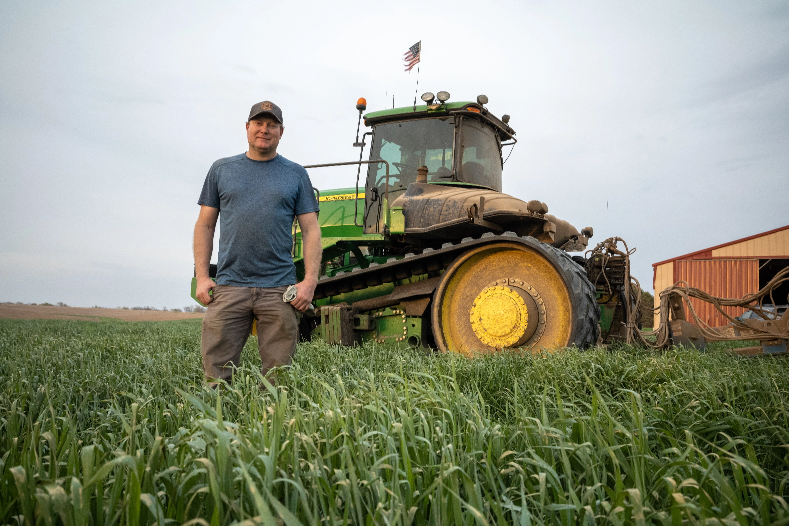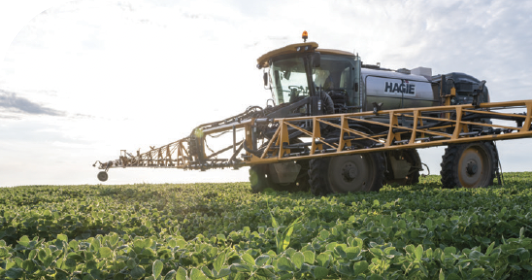
Healthy Soil. Healthy Harvests.
Backed by research, maximizing biodiversity and keeping living roots in the soil can improve your soil’s health and quality to cultivate a more sustainable and productive farm1.
Farmers Perspectives on Cover Crops: Video Series
Four Missouri farmers share how they are using cover crops on their operations in this CRA video series.

Helping People, Land and Water: The Cover Crop Story
What do farms, water quality and the Great Lakes have in common? They all are helped by cover crops. Hear from three farmers in the Great Lakes basin.
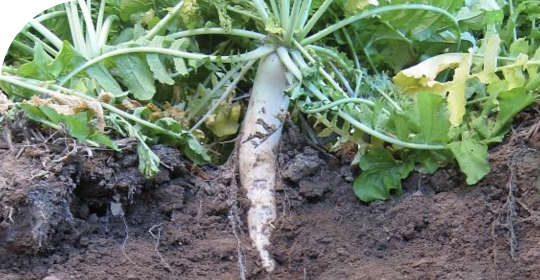
10 Key Impacts of Cover Crops on Soil Health
Read this fact sheet from Sustainable Agriculture Research and Education to learn 10 specific ways cover crops support the four basic principles or approaches for maintaining and improving soil health.
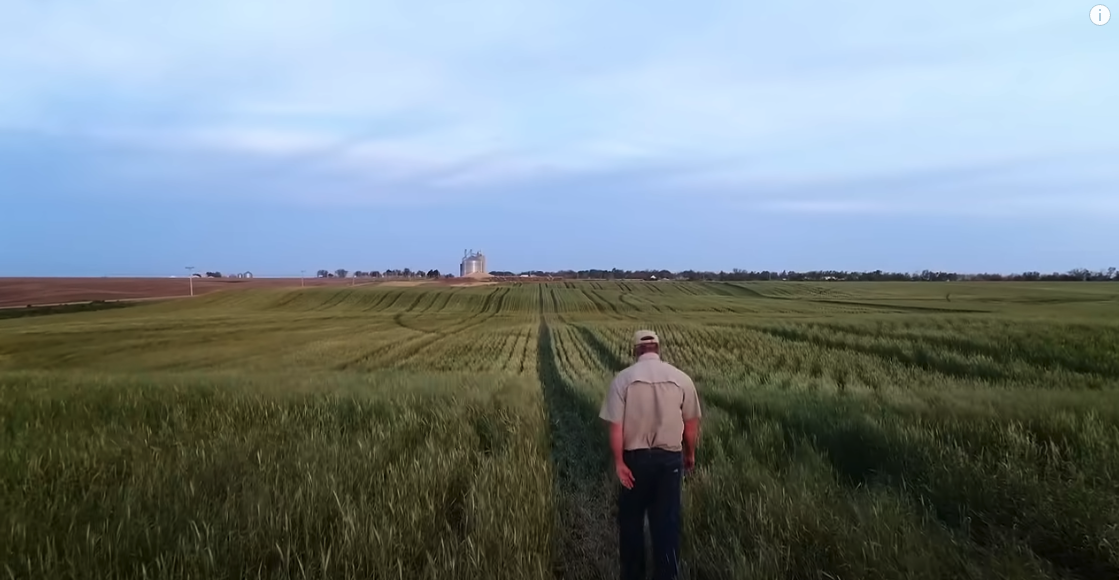
Living Soil: A Documentary for All of Us
This documentary tells the story of farmers, scientists and policymakers working to incorporate agricultural practices to benefit soil health for years to come.
Soil naturally thrives when covered, and cover crops can play a crucial role in this process.
Environmental Impacts
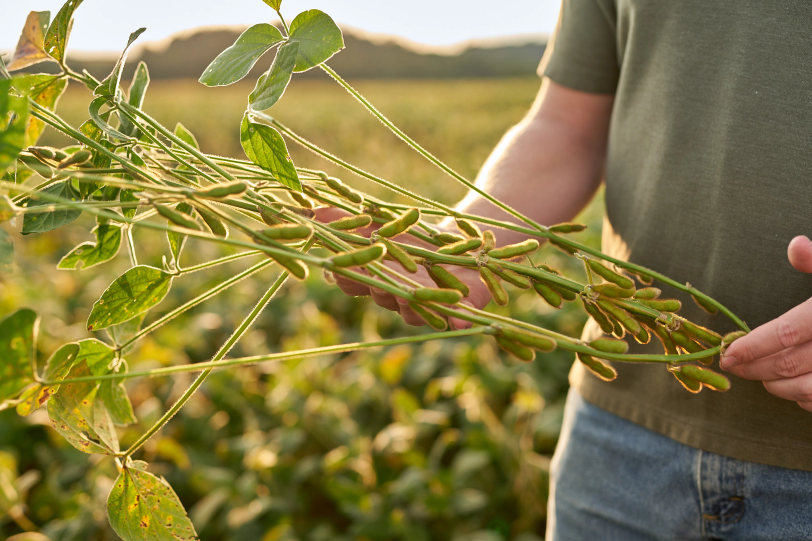
Cover crops provide crucial positive environmental impacts. They are vital to enhancing soil biodiversity, serving as a cornerstone for a thriving ecosystem that supports everything from microscopic organisms to vital earthworms. By improving soil structure and health, cover crops significantly reduce water runoff, safeguarding our waterways and elevating water quality. As their biomass breaks down, essential nutrients are released, nourishing subsequent cash crops and promoting sustainable agriculture. Moreover, cover crops create vital habitats for birds, wildlife, and beneficial insects like pollinators, reinforcing our planet’s intricate web of life. By investing in cover crops, we are not just enriching our soil; we are cultivating a healthier, more resilient environment for generations to come.
Benefits to Your Operation
Maintaining living roots in soil changes physical soil properties over time by holding soil in place, thus reducing erosion, creating stable aggregates and increasing water storage. Soils that accept and retain moisture better can buffer the impacts of extreme weather, like droughts and floods, and also maximize irrigation efficiency.
Benefits to Your Bottom Line
As soils store more nutrients and break down residue more efficiently, cash crops may require less fertilizer. Research shows that cover crops can suppress weeds, aiding weed management in your fields. They also shelter beneficial insects that help deter early-season pests.2 Additionally, they can provide forage for grazing livestock and earn carbon credits to sell to buyers supporting carbon sequestration initiatives.
Measuring Success
System evaluation is a critical step in your cover crop integration plan. Gather baseline information on soil health, yield trends, nutrient loss, weed competition, and other factors that are part of field management goals. Then, determine how to gauge changes and the evaluation frequency for each system component and follow through on that data analysis.
How to Measure Cover Crop Success
Read this article featuring Rob Myers, Ph.D., for ways you can determine the effectiveness of cover crops.
Slakes: A Free Smartphone App to Measure Aggregate Stability
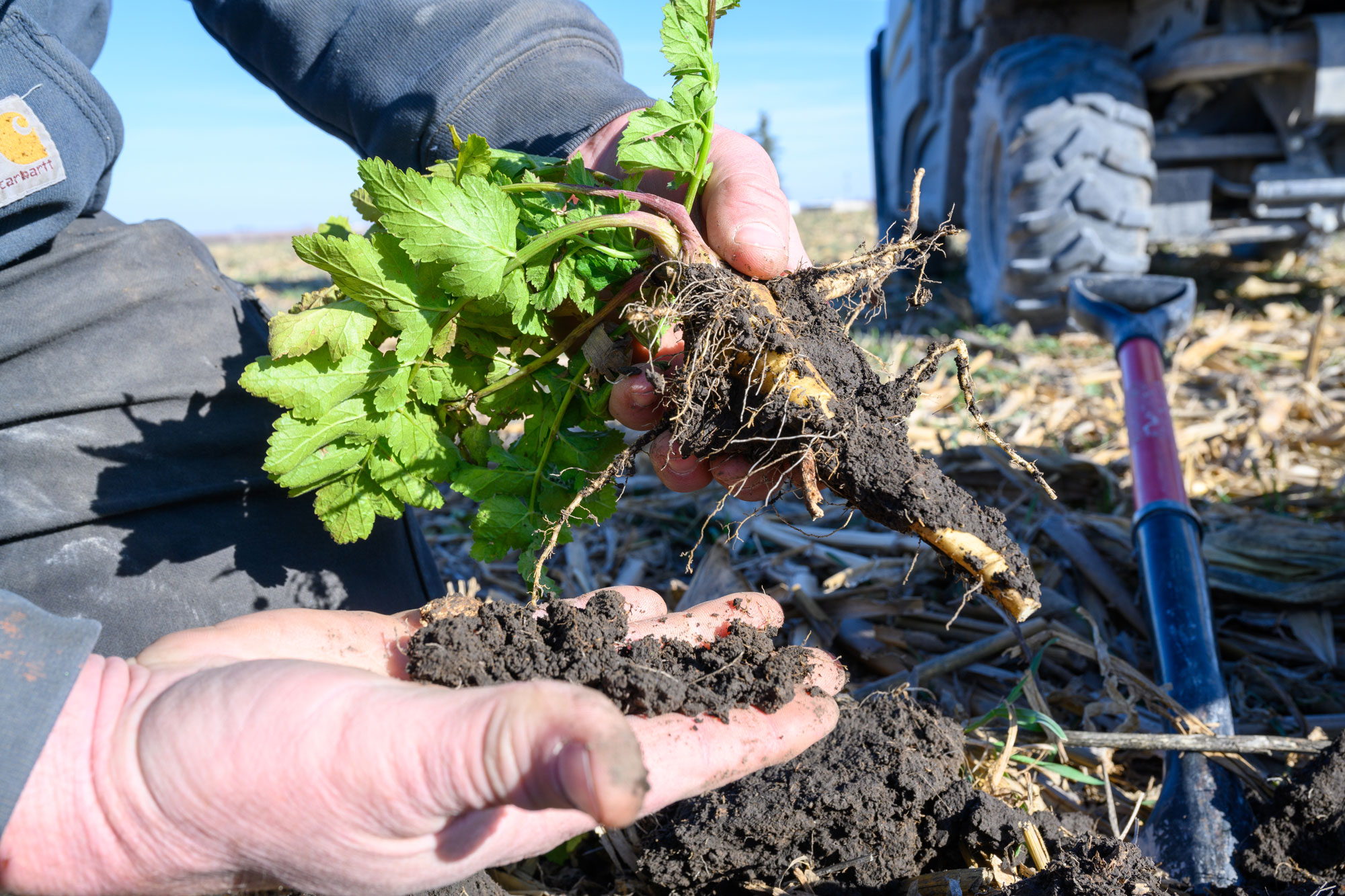
The Slakes app uses image analysis to measure the ability of dry soil aggregates to resist dispersion once rewetted.
Why Do Cover Crops Sometimes Fail?
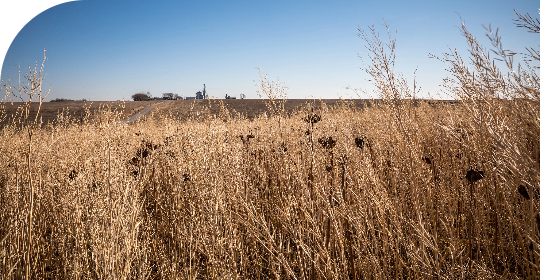
Read this article to examine the most common causes of failure of a cover crop and what you can do to enhance your chances of success.
Additional Benefits
- Reduction of soil erosion
- Water retention
- Improved weed management
- Reduction of fertilizer and pesticides
- Soil cover
- Reduction of soil compaction
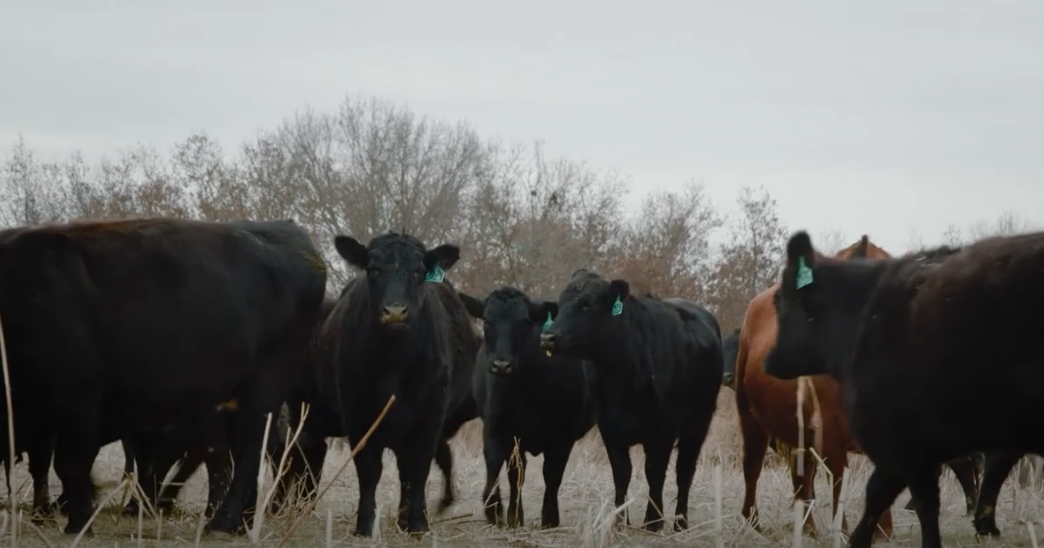
- Smoother integration of livestock and field crops
- Improved soil strength and structure
- Reduction of nutrient runoff
- Build organic matter
Sources:
1 Myers, R. (2017, December 1). 10 Ways Cover Crops Enhance Soil Health. Sustainable Agriculture Research and Education. https://www.sare.org/publications/cover-crops-ecosystem-services/10-ways-cover-crops-enhance-soil-health/
2 Myers, R., Weber, A., & Tellatin, S. (2019, June 1). Cover Crop Economics, Opportunities to Improve Your Bottom Line in Row Crops. Sustainable Agriculture Research and Education. https://www.sare.org/resources/cover-crop-economics/